Metal suspended ceiling systems are widely preferred in offices, shopping malls, hospitals, schools, industrial facilities, and commercial buildings thanks to their durability, modern appearance, and long service life. However, like other building components, metal suspended ceilings require regular maintenance to preserve their aesthetic appearance and performance. How to Maintain Metal Suspended Ceilings?
Proper metal suspended ceiling maintenance helps extend the lifespan of the system while preventing issues such as deformation, corrosion, and performance loss over time.
One of the most important steps in maintaining metal suspended ceilings is regular cleaning. Over time, dust, dirt, and environmental factors can cause stains and buildup on ceiling panels.
The following points should be considered during cleaning:
When performing metal suspended ceiling cleaning, it is important to protect the surface coating. Damaged coatings can make ceiling panels more vulnerable to corrosion over time.
Although metal materials are highly durable, they may be exposed to corrosion in environments with high humidity. Regular inspections of ceiling panels and supporting structures are essential to maintain performance.
During maintenance checks, inspect the following:
Identifying small issues early helps prevent larger repair costs in the future.
Most metal suspended ceiling systems are designed with easily removable panels, allowing convenient access for maintenance and inspection of mechanical, electrical, and ventilation systems above the ceiling.
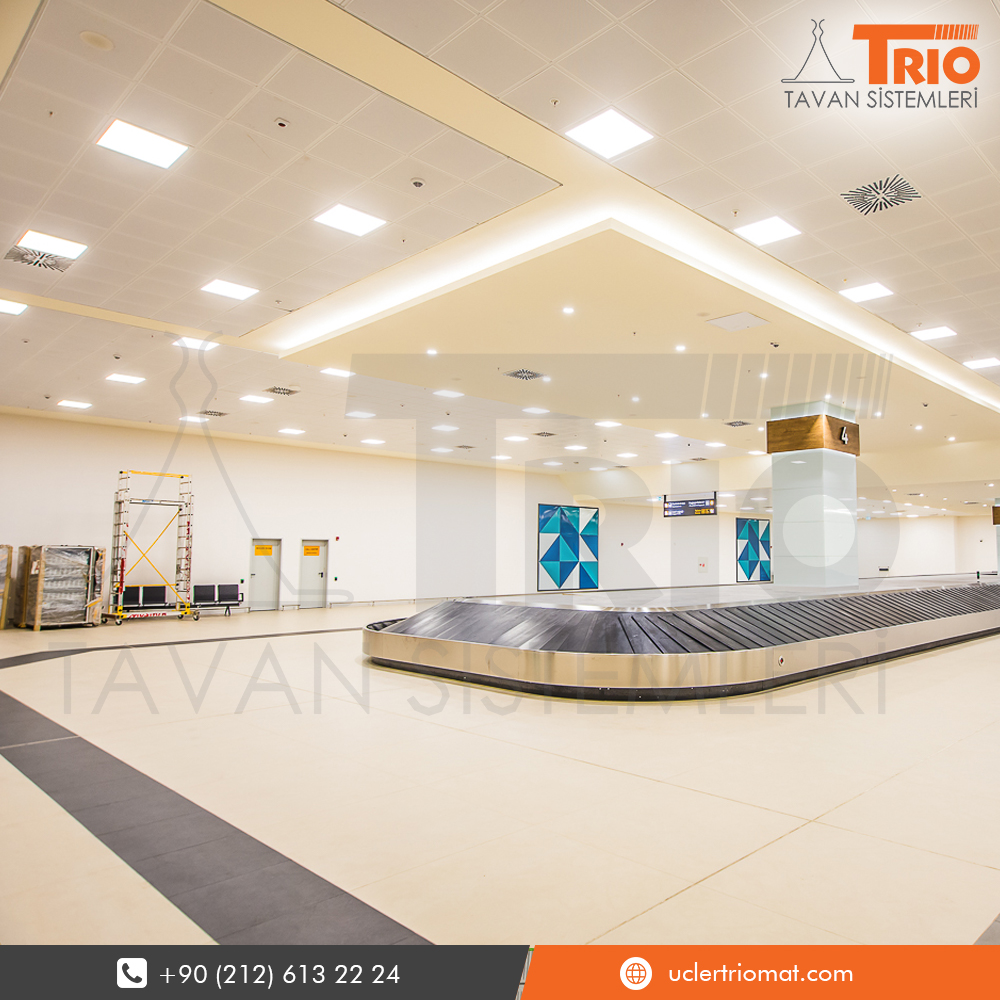 During periodic inspections:
Regular inspections are especially important in commercial buildings and high-traffic areas where ceiling systems are exposed to continuous use.
The environmental conditions of the installation area directly affect the maintenance requirements of metal suspended ceilings. High humidity levels can increase the risk of corrosion.
To protect the system:
Metal suspended ceilings installed in areas such as kitchens, bathrooms, production facilities, or humid environments should be inspected more frequently.
While basic cleaning can be handled by facility teams or users, professional maintenance is recommended for detailed inspections. Large-scale ceiling systems require expertise to evaluate the condition of structural components and suspension systems.
Professional maintenance services may include:
Metal suspended ceiling systems can maintain their appearance and functionality for many years with proper care and regular maintenance. Routine cleaning, corrosion checks, and timely repairs help reduce long-term costs while extending the lifespan of the ceiling system.
Choosing high-quality materials is important, but regular maintenance is equally essential for protecting the performance and durability of metal suspended ceiling systems.
