A suspended ceiling, also known as a drop ceiling or false ceiling, is a secondary ceiling system installed below the main structural ceiling. It has become a popular solution in commercial, industrial, and even residential spaces due to its functional and aesthetic advantages. From offices and shopping malls to hospitals and conference halls, false ceiling systems offer flexibility, durability, and cost efficiency.
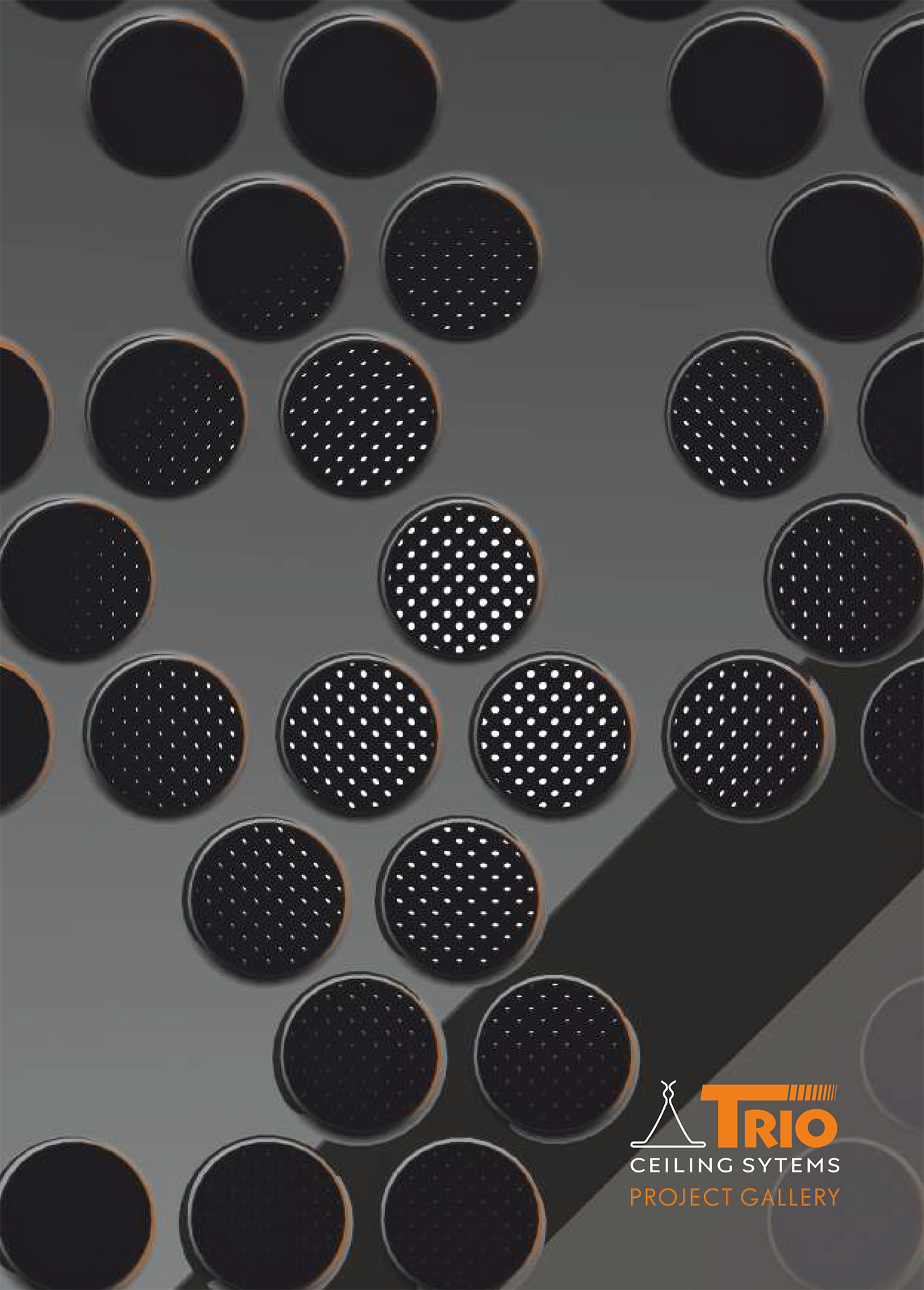 What Is a Suspended Ceiling?
A suspended ceiling consists of a metal grid framework that is hung from the structural ceiling using wires or hangers. Ceiling panels or tiles are then placed into this grid. These panels can be made from various materials such as mineral fiber, metal, aluminum, gypsum, or PVC, depending on the project requirements.
One of the main reasons drop ceilings are widely preferred is easy access to utilities. Electrical wiring, HVAC systems, fire sprinklers, and lighting fixtures can be concealed above the ceiling while remaining easily accessible for maintenance or repairs.
Another major advantage is acoustic performance. Acoustic suspended ceiling tiles help reduce noise levels, making them ideal for offices, schools, hospitals, and conference rooms. They contribute to better sound control and improved indoor comfort.
Suspended ceilings also enhance aesthetic appeal. With a wide range of designs, colors, and textures, they can significantly improve the visual quality of an interior space. Modern false ceiling designs can create a clean, professional, and contemporary look.
In terms of energy efficiency, suspended ceilings help improve thermal insulation and optimize lighting performance, which can reduce energy consumption and operational costs.
There are several types of drop ceiling systems available on the market:
Mineral Fiber Suspended Ceilings: Commonly used in offices and commercial buildings for their acoustic and cost-effective properties.
Metal Suspended Ceilings: Durable, moisture-resistant, and ideal for high-traffic or hygienic areas such as airports and hospitals.
Aluminum Suspended Ceilings: Lightweight, corrosion-resistant, and suitable for both interior and exterior applications.
Gypsum Suspended Ceilings: Preferred for smooth finishes and decorative ceiling designs.
Choosing a false ceiling is a smart investment for projects that require functionality, flexibility, and modern design. Installation is relatively fast, maintenance is simple, and damaged panels can be replaced individually without disturbing the entire system.
Additionally, suspended ceilings comply with many building regulations related to fire safety, acoustics, and sustainability, making them a reliable solution for architects, contractors, and building owners.
A suspended ceiling is more than just a ceiling solution—it is a practical and aesthetic element that enhances interior spaces. Whether you are designing a commercial building, office, or public facility, suspended ceiling systems offer long-term value, performance, and design flexibility.
