A drop ceiling, also known as a suspended ceiling, is a secondary ceiling system installed below the main structural ceiling. It has become a popular choice in commercial, residential, and institutional buildings due to its functional advantages, aesthetic flexibility, and cost efficiency. From offices and shopping malls to hospitals and modern homes, drop ceilings offer an effective way to enhance both design and performance.
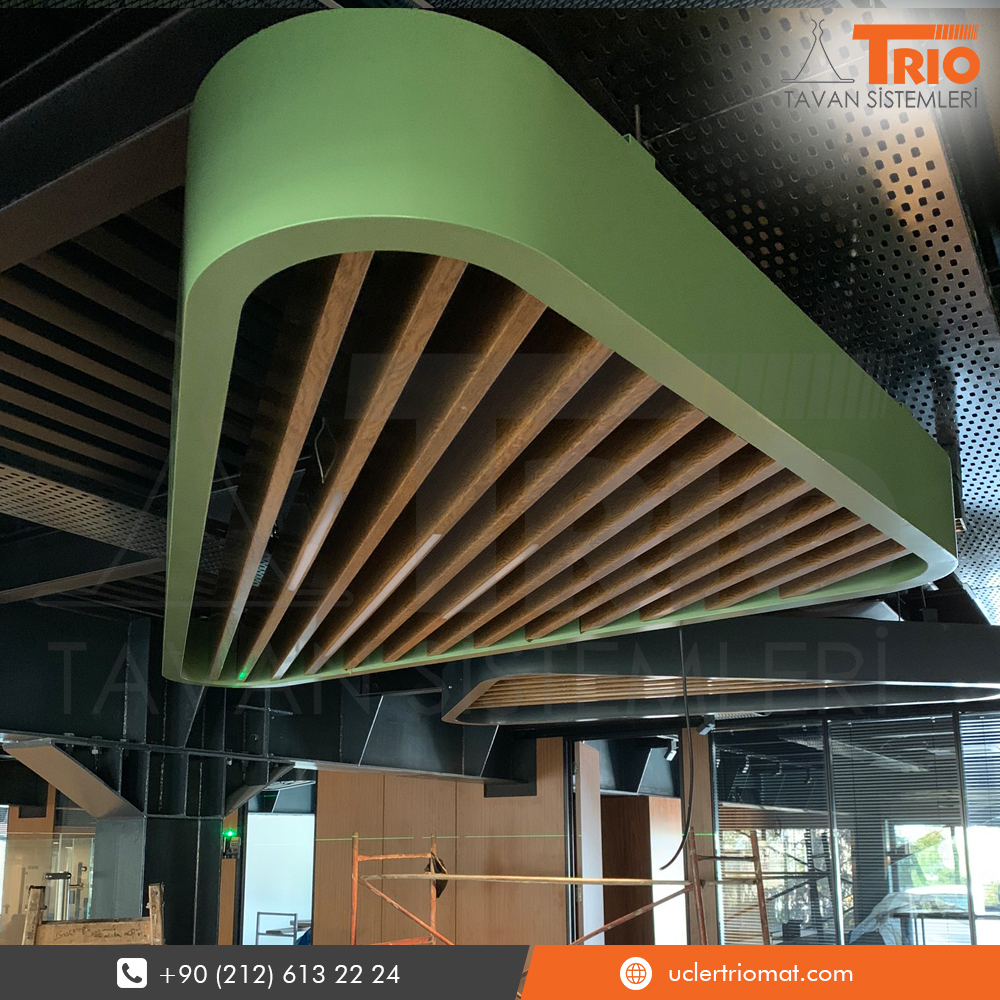 One of the primary benefits of a drop ceiling is its ability to conceal building infrastructure. Electrical wiring, HVAC systems, plumbing, and fire sprinkler components can be hidden above the ceiling grid while still remaining easily accessible for maintenance or repairs. This makes drop ceilings especially suitable for commercial environments where frequent technical access is required without disturbing daily operations.
Acoustic performance is another key advantage. Drop ceiling panels are often designed with sound-absorbing properties that reduce noise levels and improve speech clarity. This feature is particularly important in offices, conference rooms, classrooms, and healthcare facilities, where acoustic comfort directly impacts productivity and user experience. By minimizing echo and background noise, drop ceilings help create a more controlled and comfortable indoor environment.
In terms of design, drop ceilings offer extensive customization options. Ceiling tiles and panels are available in a wide range of materials, including mineral fiber, metal, PVC, gypsum, and wood-effect finishes. These options allow architects and interior designers to match the ceiling design with the overall aesthetic of the space. Modern drop ceiling systems can support integrated lighting, linear LEDs, ventilation diffusers, and even decorative elements, enabling a clean and contemporary look.
Energy efficiency is another important factor driving the popularity of drop ceilings. By reducing the volume of space that needs to be heated or cooled, suspended ceilings can contribute to lower energy consumption. Additionally, reflective ceiling panels can improve light distribution, reducing the need for excessive artificial lighting and supporting sustainable building practices.
Installation and maintenance are relatively straightforward compared to traditional ceiling systems. Drop ceilings are modular, making them easy to install, modify, or replace over time. Damaged panels can be removed and replaced individually, which helps reduce long-term maintenance costs and extends the lifespan of the ceiling system.
In conclusion, a drop ceiling is a versatile and practical solution that combines functionality, aesthetics, and efficiency. Whether the goal is to improve acoustics, hide infrastructure, enhance visual appeal, or support energy-saving strategies, drop ceilings provide a reliable and adaptable option for modern interior spaces.
