Types of suspended ceiling, also known as drop ceilings or false ceilings, are an essential part of modern interior design. They not only enhance the aesthetic appearance of a space but also provide practical benefits such as improved acoustics, thermal insulation, and easy access to electrical or HVAC systems. Choosing the right type of suspended ceiling depends on your design goals, budget, and functional requirements. Below are the most common types of suspended ceilings used in commercial, residential, and industrial buildings.
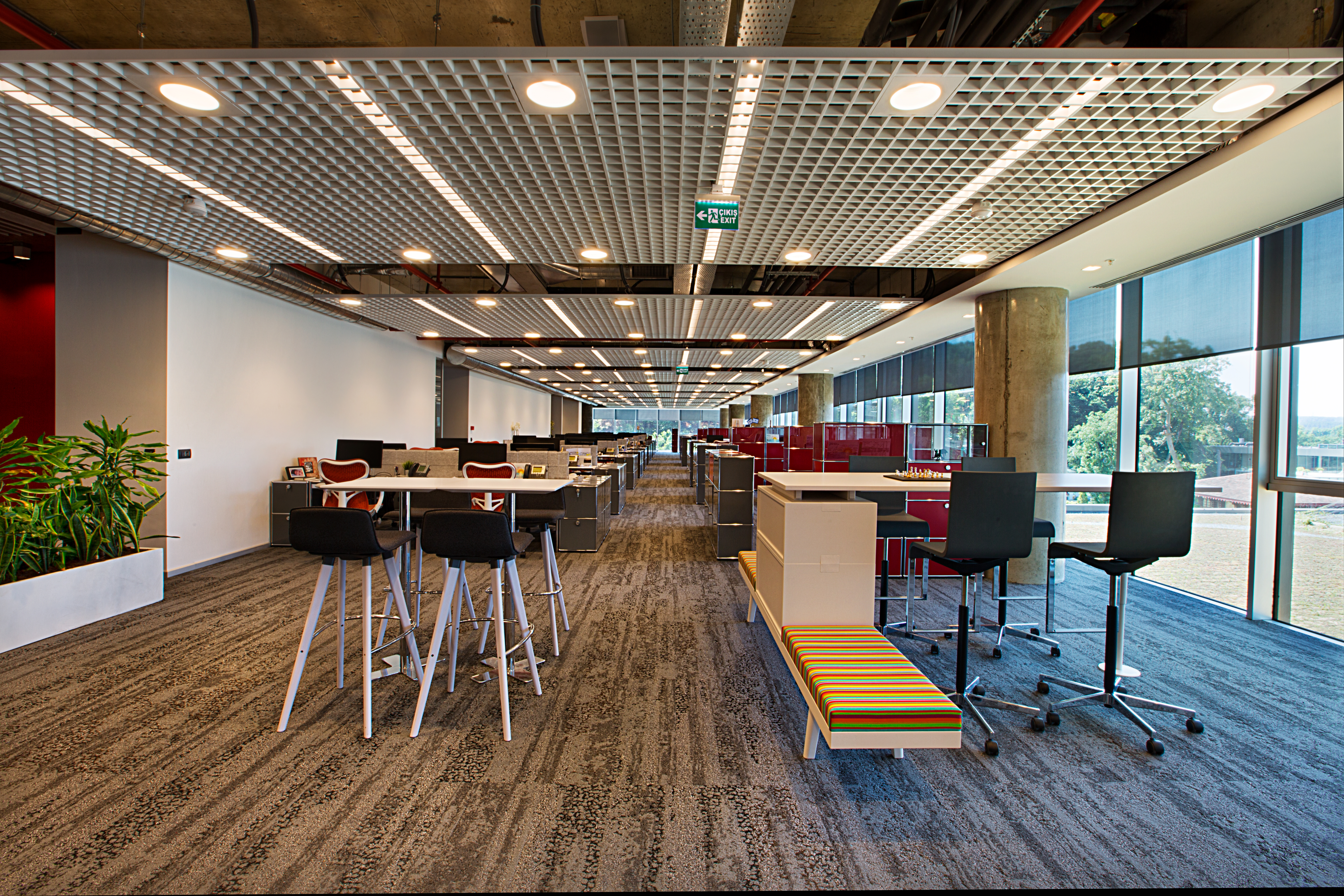 1. Metal Ceiling Systems
Metal suspended ceilings are popular in offices, airports, hospitals, and shopping centers. They are made from aluminum, galvanized steel, or stainless steel panels that are highly durable, moisture-resistant, and easy to clean. Metal ceilings also allow for various perforation patterns that improve sound absorption and airflow. Thanks to their sleek, modern design and long lifespan, metal ceilings are ideal for large public or commercial spaces.
Gypsum ceilings are one of the most widely used options due to their versatility and smooth finish. They can be easily shaped into different designs such as curves, layers, or recessed patterns. Gypsum ceilings are perfect for residential interiors, offices, and retail stores. They also offer good fire resistance and sound insulation. However, they should be installed in dry areas since moisture can damage the material over time.
When sound control is a priority, acoustic ceilings are the best solution. These ceilings use materials like mineral fiber, fiberglass, or wood wool to absorb sound and reduce echo. Acoustic ceiling tiles are commonly found in classrooms, theaters, call centers, and conference rooms. They create a comfortable environment by improving speech clarity and minimizing background noise.
PVC (Polyvinyl Chloride) ceilings are lightweight, affordable, and resistant to humidity, making them ideal for kitchens, bathrooms, and basements. They come in a variety of colors and patterns that can imitate wood, marble, or metal finishes. PVC ceilings require very little maintenance and are easy to install, which makes them a cost-effective solution for both residential and commercial use.
For a warm and natural look, wooden suspended ceilings are an elegant choice. They are often used in hotels, restaurants, and luxury homes. Wooden panels can be made from solid wood, veneer, or laminate, offering different aesthetic and acoustic qualities. While wood adds beauty and texture, it may require regular maintenance to protect against humidity and insects.
Suspended ceilings come in many styles and materials to meet different architectural and functional needs. Whether you choose a metal, gypsum, acoustic, PVC, or wooden ceiling, each option offers its own benefits in design, durability, and performance. By selecting the right type of suspended ceiling, you can enhance both the look and efficiency of any interior space.
