Drop ceiling design, also known as suspended or false ceiling design, has become an essential element in modern interior architecture. Widely used in commercial, institutional, and residential spaces, drop ceilings offer a perfect balance between visual appeal and practical functionality. By creating a secondary ceiling beneath the structural slab, these systems provide flexibility in design while addressing technical requirements.
One of the primary advantages of drop ceiling design is its ability to conceal building services such as electrical wiring, HVAC ducts, plumbing, and fire suppression systems. This creates a clean and organized appearance without compromising accessibility. Ceiling panels can be easily removed for maintenance or repairs, making suspended ceilings a practical solution for high-traffic environments like offices, hospitals, and shopping centers.
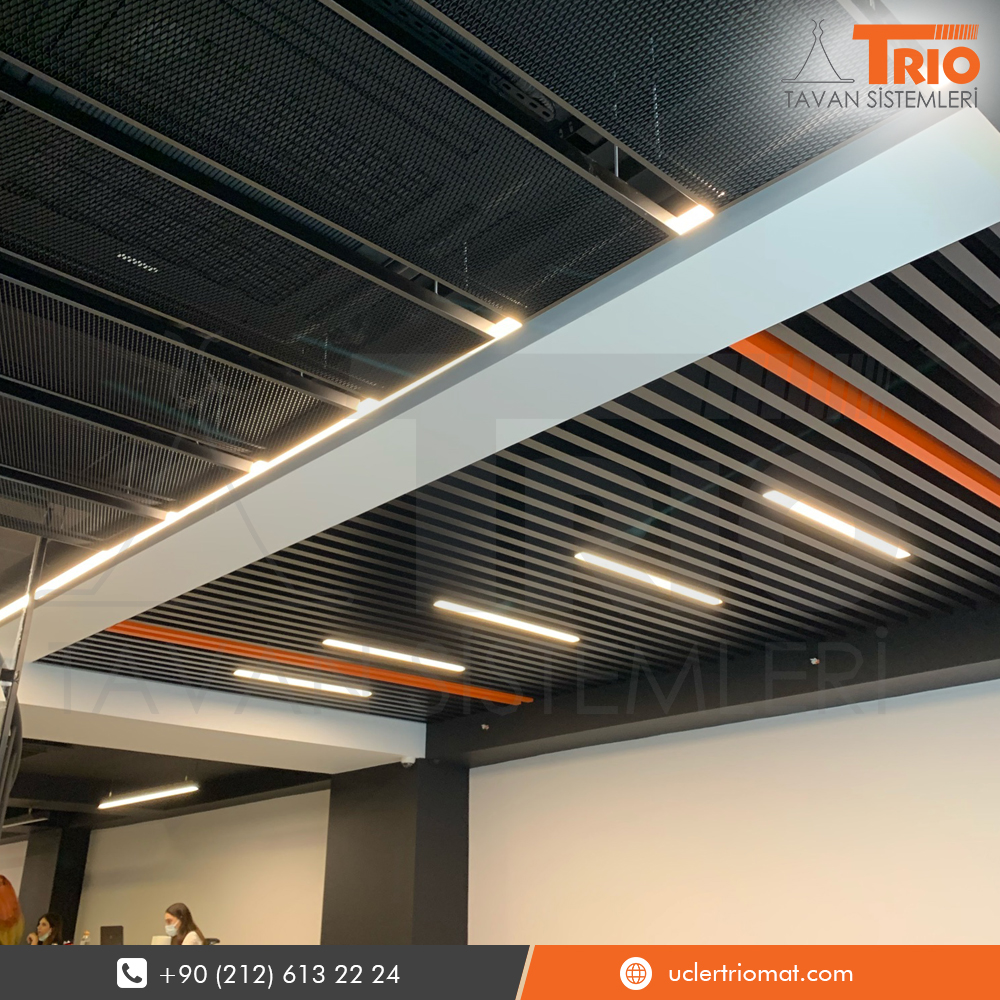 From an aesthetic perspective, drop ceilings offer a wide range of design possibilities. Available in various materials such as mineral fiber, metal, gypsum, and wood, they can be customized to suit different architectural styles. Modern drop ceiling designs often incorporate geometric patterns, layered structures, or integrated lighting to create depth and visual interest. These features allow designers to transform plain interiors into sophisticated, contemporary spaces.
Acoustic performance is another critical benefit of drop ceiling systems. In environments where sound control is essential—such as conference rooms, theaters, and classrooms—acoustic ceiling panels help reduce noise levels and improve speech clarity. By absorbing and diffusing sound, drop ceilings contribute significantly to user comfort and productivity.
Energy efficiency also plays a role in the growing popularity of drop ceiling design. By lowering the ceiling height, these systems reduce the volume of space that needs to be heated or cooled, leading to improved energy performance. Additionally, reflective ceiling panels can enhance light distribution, reducing the need for excessive artificial lighting and lowering electricity consumption.
In commercial applications, drop ceiling design supports branding and functionality simultaneously. Retail spaces may use metal or open-cell ceilings for an industrial look, while corporate offices often prefer minimalist designs with integrated LED lighting for a professional atmosphere. In residential settings, drop ceilings are increasingly used in living rooms, kitchens, and corridors to define zones and highlight architectural features.
In conclusion, drop ceiling design is a versatile and efficient solution that meets both aesthetic and technical demands. Its ability to combine visual elegance, acoustic comfort, accessibility, and energy efficiency makes it a preferred choice for modern interior spaces. Whether for commercial or residential use, a well-planned drop ceiling design can significantly enhance the overall quality and functionality of an interior environment.
