A drop ceiling grid is the structural framework that supports ceiling tiles or panels in suspended ceiling systems. Commonly used in commercial, institutional, and increasingly residential spaces, this grid system plays a critical role in both the functionality and aesthetics of interior environments. From offices and hospitals to shopping malls and conference halls, drop ceiling grids provide flexibility, accessibility, and a clean, professional finish.
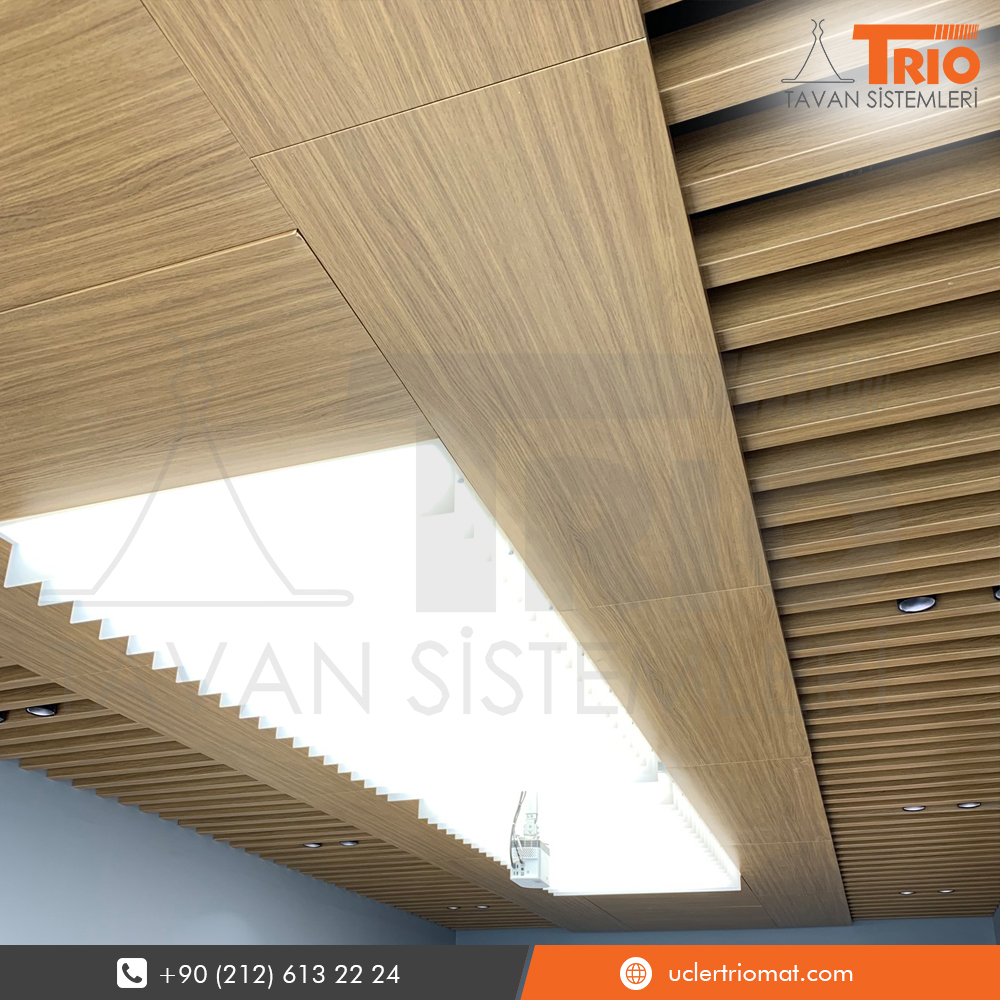 What Is a Drop Ceiling Grid?
A drop ceiling grid consists of metal components—typically made from galvanized steel or aluminum—that form a network suspended below the original structural ceiling. The grid includes main runners, cross tees, wall angles, and suspension wires. Together, these elements create a stable framework that holds ceiling tiles in place while allowing easy access to electrical, HVAC, and plumbing systems above the ceiling.
One of the most significant advantages of a drop ceiling grid is accessibility. Unlike solid ceilings, suspended ceilings can be easily opened to reach hidden services, making maintenance and repairs faster and more cost-effective. This is especially important in commercial buildings where frequent system checks are required.
Another major benefit is design flexibility. Drop ceiling grids are compatible with a wide variety of ceiling tiles, including mineral fiber, metal, PVC, and acoustic panels. This allows designers to customize the ceiling’s appearance while maintaining structural consistency.
Acoustic performance is also enhanced through drop ceiling grid systems. When paired with acoustic ceiling tiles, the grid helps reduce noise levels, control sound reflection, and improve overall indoor comfort—an essential factor in offices, classrooms, and healthcare facilities.
There are several types of drop ceiling grids available, each suited to different applications. Exposed grid systems, such as T24 and T15, are the most common and feature visible grid lines that create a modular ceiling pattern. Concealed grid systems, on the other hand, hide the grid structure to achieve a more seamless and minimalist appearance.
Grid systems also vary in terms of load capacity and corrosion resistance. For areas with high humidity or hygiene requirements—such as kitchens, laboratories, or swimming pools—aluminum or corrosion-resistant coated grids are preferred.
Installing a drop ceiling is relatively efficient compared to traditional ceiling construction. The modular nature of the system reduces labor time and allows for easy future modifications. Additionally, damaged tiles can be replaced individually without disturbing the entire ceiling, extending the system’s lifespan and lowering long-term maintenance costs.
The drop ceiling grid is more than just a support structure; it is a vital component that determines the performance, durability, and visual impact of a suspended ceiling system. With its versatility, cost efficiency, and compatibility with modern building requirements, the drop ceiling grid remains a preferred solution for contemporary interior design projects.
