False ceiling panels have become one of the most popular elements in modern interior design, offering a perfect combination of functionality and aesthetics. Whether used in homes, offices, commercial buildings, or hospitality spaces, these ceiling panels enhance the overall look while improving comfort and practicality. In this guide, we explore what false ceilings are, their types, materials, benefits, and why they are a smart choice for contemporary spaces.
False ceiling, also known as suspended ceiling panels, are secondary ceilings installed below the main structural ceiling. They are typically supported by a metal framework and come in various materials such as gypsum, mineral fiber, metal, PVC, and wood. Their purpose goes beyond appearance — they help conceal wires, ducts, and structural components, creating a clean and seamless ceiling surface.
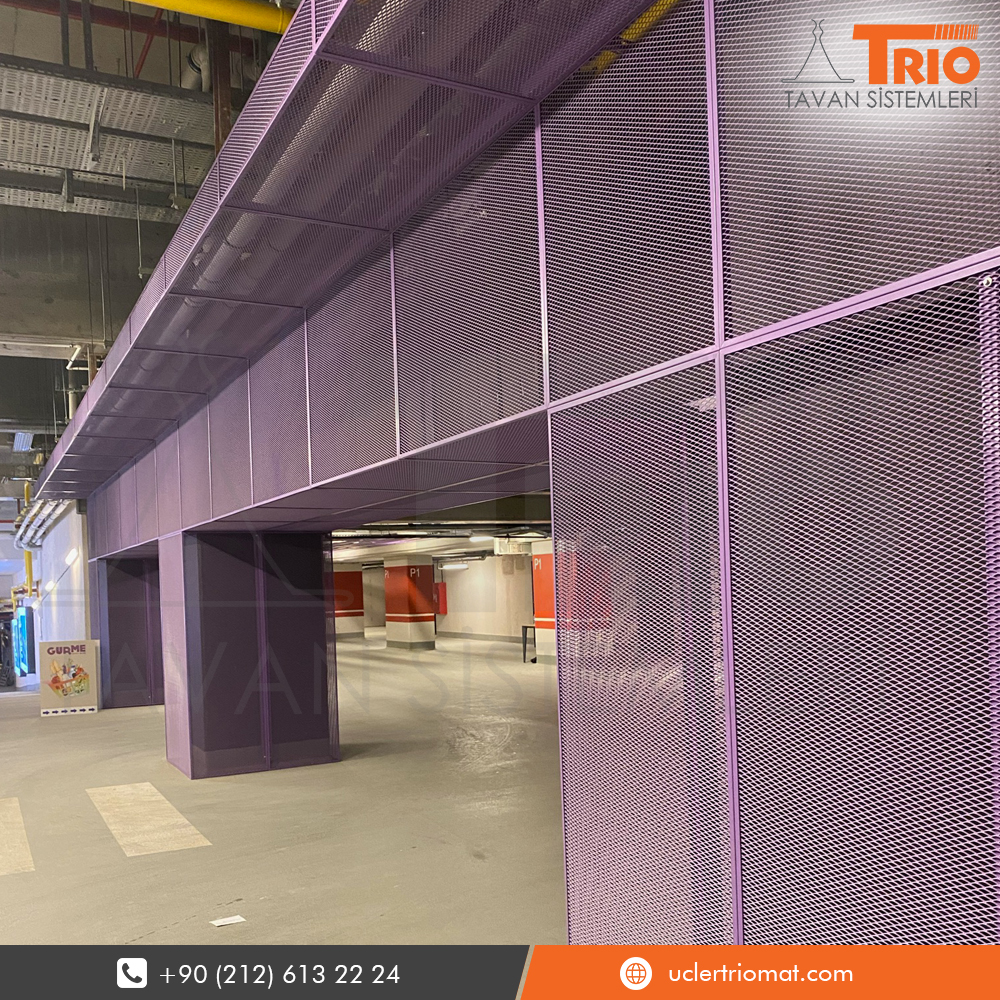 One of the primary advantages of false ceiling panels is their ability to improve acoustics. Acoustic ceiling panels made from mineral fiber or perforated metal help reduce noise levels, making them ideal for offices, conference rooms, classrooms, and cinemas. This acoustic control enhances productivity and comfort in work environments while providing a peaceful atmosphere in residential spaces.
Another major benefit of false ceiling is thermal insulation. The gap between the main ceiling and the false ceiling acts as a buffer, helping maintain room temperature. Materials like gypsum and insulated metal panels can further improve energy efficiency, reducing heating and cooling costs over time. This makes false ceilings an excellent choice for buildings aiming for better energy performance.
From a design perspective, false ceilings open the door to endless possibilities. Decorative ceiling panels come in various textures, patterns, and finishes, allowing you to achieve modern, minimalistic, or luxurious styles. LED lighting can also be integrated seamlessly, offering soft ambient illumination or striking accent effects. This flexibility makes false ceiling panels a favorite among interior designers and architects.
The installation process of false ceiling panels is relatively quick and hassle-free. They are lightweight, easy to maintain, and replaceable, which is especially beneficial in commercial spaces where maintenance needs to be efficient. Their durability depends on the chosen material—metal ceiling panels, for instance, are highly long-lasting and resistant to moisture, making them suitable for industrial settings or humid areas.
When selecting the right false ceiling panels, consider factors such as room purpose, desired acoustics, moisture levels, and visual style. For example, gypsum is great for smooth finishes, metal panels are best for durability, and PVC panels work well in areas prone to humidity like kitchens and bathrooms.
In conclusion, false ceiling panels offer a perfect blend of beauty, comfort, and practicality. Whether you are renovating a home or designing a new commercial space, these panels can elevate the atmosphere while providing functional benefits. With so many materials and design options available, false ceiling panels remain a key element of modern interior architecture.
