A false ceiling system, also known as a suspended ceiling or drop ceiling, is a secondary ceiling installed below the main structural ceiling. It is commonly used in modern architecture to improve interior aesthetics, hide electrical wiring, and provide thermal and acoustic insulation. These ceilings have become a standard element in residential, commercial, and industrial buildings due to their functionality and design flexibility.
 Types of False Ceiling Systems
There are various types of false ceilings, each with its unique advantages and applications:
Gypsum Ceiling:
Lightweight, cost-effective, and smooth, gypsum boards are popular for residential and office interiors. They allow for creative lighting designs and elegant finishes.
Metal Ceiling:
Metal false ceilings, usually made from aluminum or galvanized iron, are durable and ideal for commercial buildings. They provide excellent fire resistance and easy maintenance.
POP Ceiling (Plaster of Paris):
POP ceilings are known for their artistic appeal and customizable shapes. They are perfect for decorative interiors and curved designs.
PVC Ceiling:
PVC panels are waterproof, termite-proof, and easy to clean, making them suitable for bathrooms, kitchens, and other humid areas.
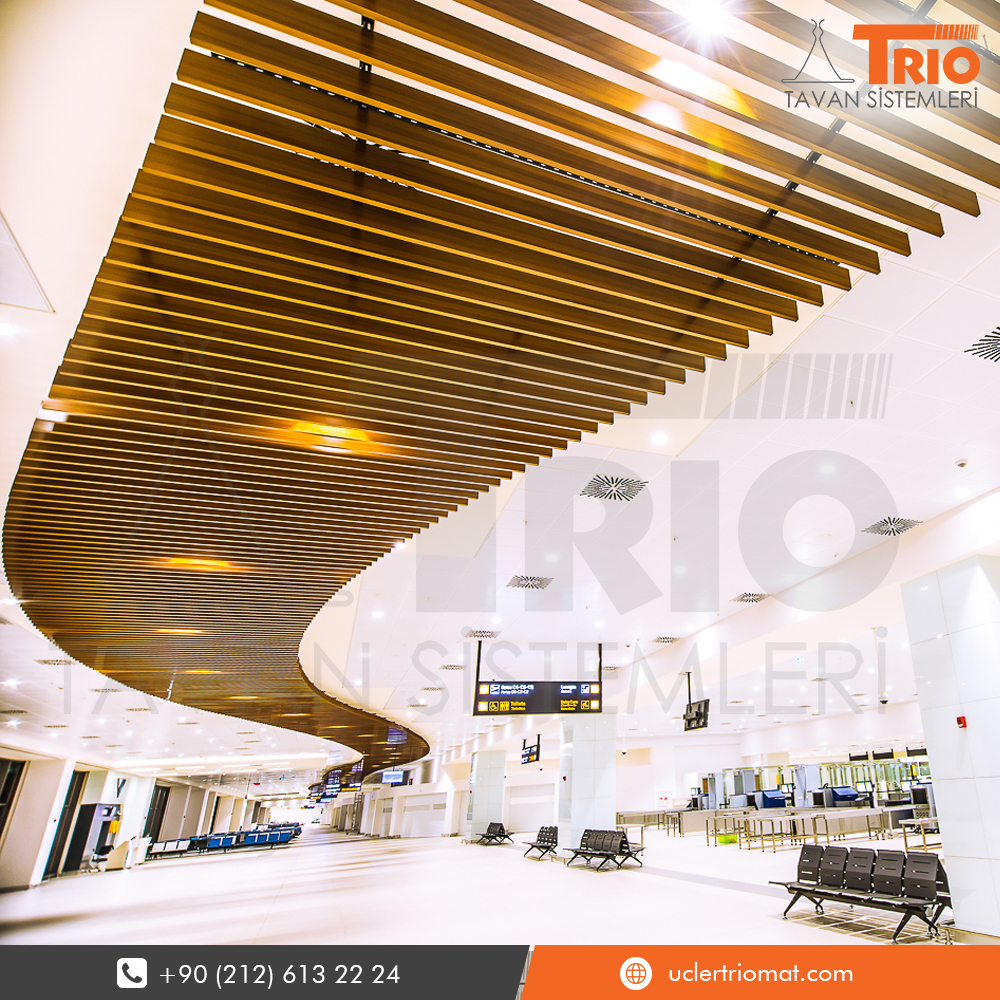
Wooden Ceiling:
Wooden false ceilings offer warmth and a natural look. They are commonly used in luxury homes, restaurants, and hotels.
Aesthetic Enhancement:
False ceilings give a clean and stylish appearance to interiors by concealing structural elements and wiring.
Improved Acoustics:
Acoustic panels used in false ceilings reduce noise levels, making them ideal for offices, theaters, and classrooms.
Thermal Insulation:
The air gap between the main and false ceiling helps maintain room temperature, reducing energy costs.
Concealment of Services:
Lighting fixtures, air conditioning ducts, and fire safety systems can be neatly integrated within the false ceiling.
Flexibility and Maintenance:
Modular false ceiling systems allow easy access for repairs or upgrades without damaging the structure.
False ceiling systems are widely used in homes, offices, shopping malls, hospitals, hotels, and airports. In modern architecture, they play a key role in lighting design—integrating recessed or cove lighting for elegant illumination.
A false ceiling system is more than just a decorative feature; it enhances comfort, functionality, and energy efficiency. Whether you’re designing a modern workspace or renovating a home, choosing the right type of false ceiling can transform your interior environment.
Investing in a quality ceiling system ensures long-term durability, aesthetic appeal, and acoustic comfort—making it an essential component of modern interior design.
