Suspended ceilings are a fundamental architectural element that combines functionality, aesthetics, and technical performance. For architects, selecting the right suspended ceiling system is critical to achieving design intent while meeting acoustic, fire safety, and maintenance requirements. This guide provides an overview of suspended ceiling systems, their benefits, and key considerations during specification. Guide to Suspended Ceilings for Architects.
A suspended ceiling, also known as a drop ceiling, is a secondary ceiling hung below the structural slab using a metal grid system. It typically consists of ceiling tiles, panels, or boards that are easily removable, allowing access to mechanical, electrical, and plumbing (MEP) services. Suspended ceilings are widely used in commercial, institutional, and public buildings such as offices, hospitals, schools, and conference centers.
One of the primary advantages of suspended ceilings is design flexibility. Architects can choose from a wide range of materials, finishes, colors, and module sizes to complement the interior concept. Metal, mineral fiber, gypsum, and wood-based panels offer different visual and performance characteristics.
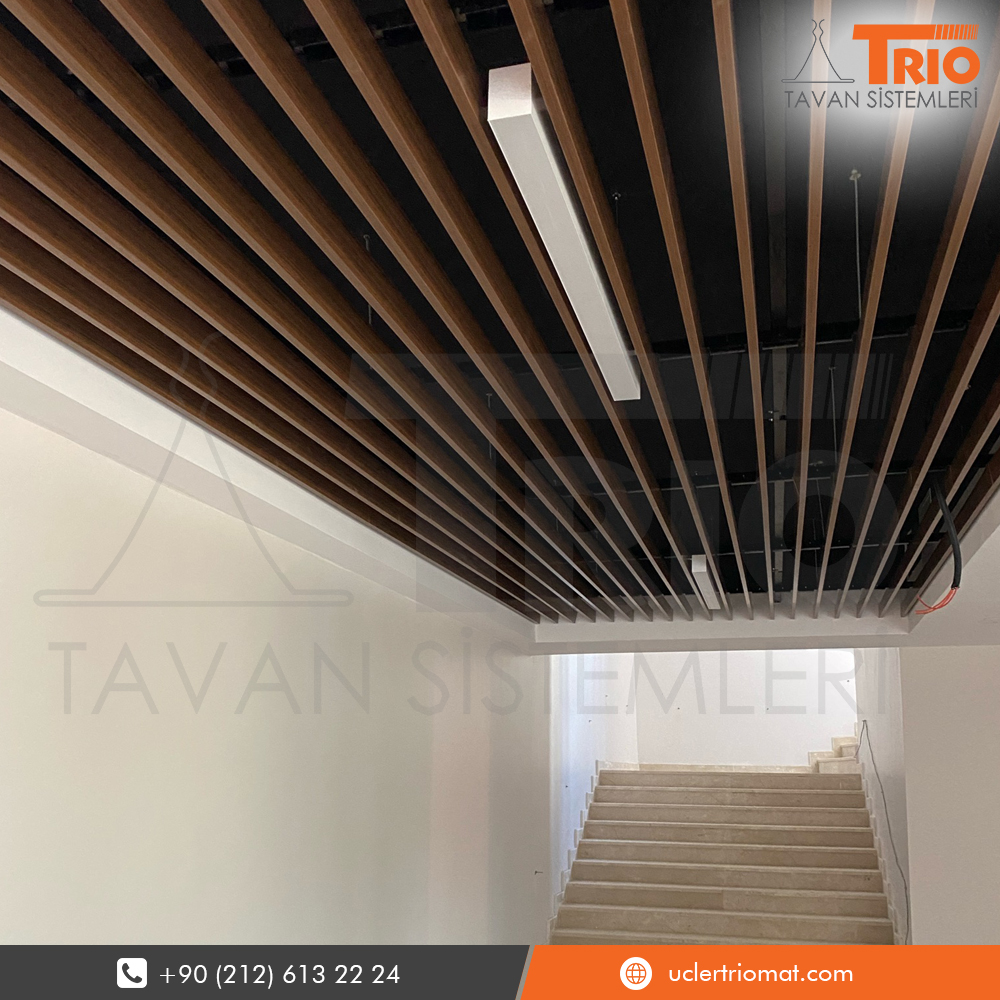 Another major benefit is acoustic control. Many suspended ceiling systems are engineered to improve sound absorption and reduce noise levels, making them ideal for spaces such as open-plan offices, auditoriums, and educational facilities.
Suspended ceilings also support integrated building services. Lighting fixtures, HVAC diffusers, fire sprinklers, and speakers can be seamlessly incorporated into the ceiling grid, ensuring a clean and organized appearance.
Architects typically specify one of several common systems:
Lay-in ceilings: Standard modular panels placed into an exposed T-grid system, offering ease of installation and maintenance.
Concealed grid ceilings: Panels with hidden suspension systems for a more seamless, monolithic look.
Metal ceilings: Durable and moisture-resistant, often used in transportation hubs, healthcare facilities, and high-traffic areas.
Acoustic specialty ceilings: Designed with perforations or backing materials to enhance sound absorption.
Each system should be evaluated based on project requirements, budget, and long-term performance.
When specifying suspended ceilings, architects should carefully assess fire resistance, humidity resistance, light reflectance, and sustainability credentials. Many manufacturers now offer systems with recycled content and low VOC emissions, supporting green building certifications such as LEED or BREEAM.
Maintenance and lifecycle costs are also important. Removable panels allow quick access for repairs and upgrades, reducing operational disruptions over time.
Suspended ceilings are more than a technical necessity—they are a powerful design tool. By understanding system types, material options, and performance criteria, architects can specify suspended ceilings that enhance both form and function. Thoughtful ceiling design contributes significantly to occupant comfort, spatial quality, and the overall success of architectural projects.
