Choosing the right metal suspended ceiling system is a critical decision for both functional performance and interior aesthetics. Widely used in commercial, industrial, and public spaces, metal suspended ceilings offer durability, modern design, and excellent acoustic and fire-resistance properties. However, selecting the most suitable system requires careful evaluation of several technical and design factors.
The first step in choosing a metal suspended ceiling system is understanding the function of the space. Offices, hospitals, shopping malls, airports, and industrial facilities all have different requirements. For example, healthcare and food production areas require hygienic, easy-to-clean ceilings, while offices and conference halls prioritize acoustic performance. Identifying the space’s primary needs will help narrow down suitable ceiling types.
Metal suspended ceilings are available in various panel types, including clip-in, lay-in, hook-on, baffle, and linear systems.
Lay-in panels are cost-effective and easy to install.
Clip-in systems offer a seamless, modern appearance with concealed grids.
Hook-on and baffle ceilings are ideal for architectural designs requiring visual depth and airflow.
Choosing the right panel type depends on accessibility requirements, aesthetics, and maintenance needs.
Aluminum and galvanized steel are the most common materials used in metal suspended ceilings. Aluminum is lightweight, corrosion-resistant, and ideal for humid environments, while steel offers superior strength and impact resistance. Finish options such as powder coating, perforation, wood-look, or custom colors allow designers to match the ceiling with the overall interior concept.
Acoustic control is a major consideration in modern building design. Perforated metal panels combined with acoustic backing can significantly reduce noise levels and improve speech intelligibility. When selecting a system, check the Noise Reduction Coefficient (NRC) values to ensure the ceiling meets acoustic requirements, especially in offices, classrooms, and conference halls.
Metal suspended ceilings are non-combustible and comply with international fire safety standards. However, certifications such as EN, ASTM, or local fire ratings should be verified before purchase. Fire-rated systems are particularly important in public buildings, high-traffic areas, and emergency evacuation routes.
Easy access to mechanical, electrical, and HVAC systems is a practical advantage of suspended ceilings. Choose systems that allow simple panel removal without damaging the structure. Durable finishes and corrosion-resistant materials also reduce long-term maintenance costs.
Finally, balance performance and aesthetics with your budget. While high-end systems offer advanced features, standard metal suspended ceilings can also deliver excellent results at a lower cost. Working with a reliable manufacturer or supplier ensures quality materials, technical support, and compliance with project specifications.
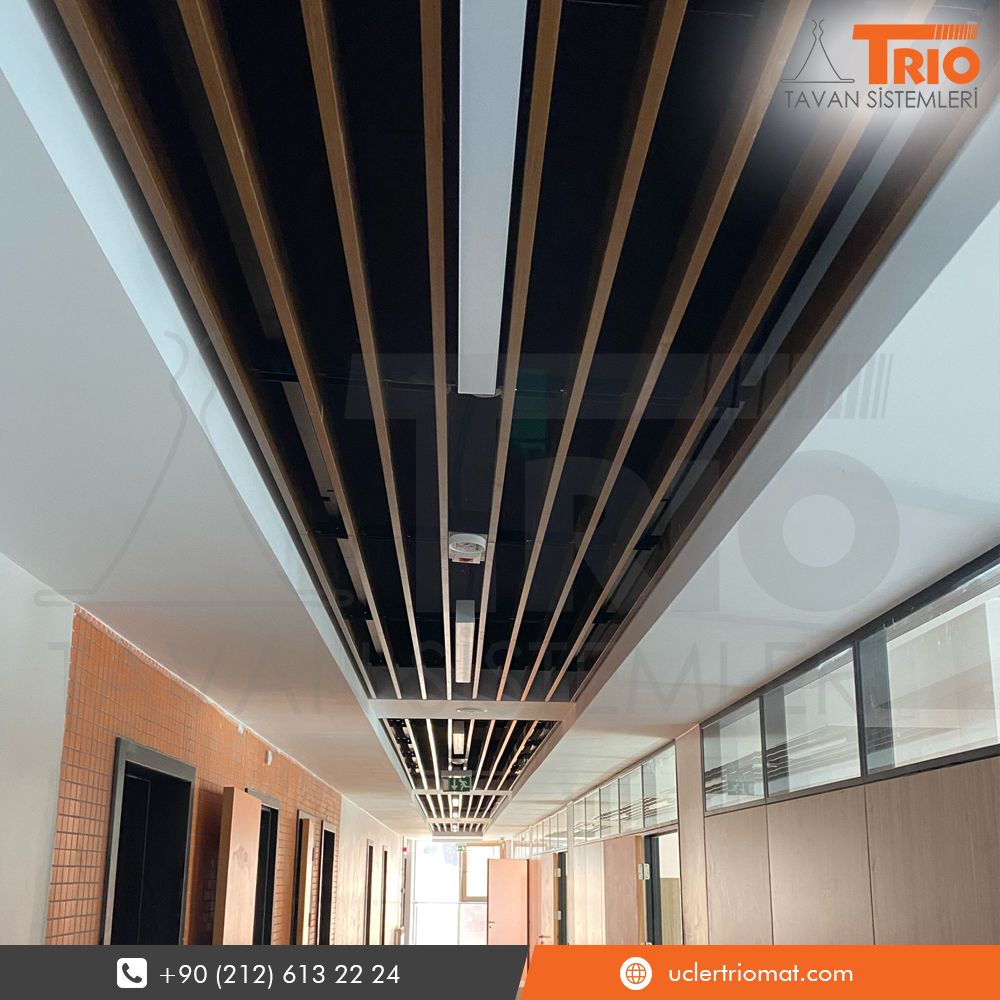 Selecting the right metal suspended ceiling system requires a holistic approach that considers functionality, design, safety, and long-term performance. By evaluating space requirements, material options, acoustic needs, and budget constraints, you can confidently choose a system that enhances both the visual appeal and efficiency of your project.
