A metal suspended ceiling system has become one of the most preferred 1 in modern construction, especially in commercial buildings, offices, shopping malls, hospitals, and even high-end residential projects. Known for its durability, clean appearance, and impressive performance features, metal suspended ceilings provide both aesthetic value and functional advantages. This blog explores what metal suspended ceiling systems are, how they work, and why they are an excellent choice for contemporary interiors.
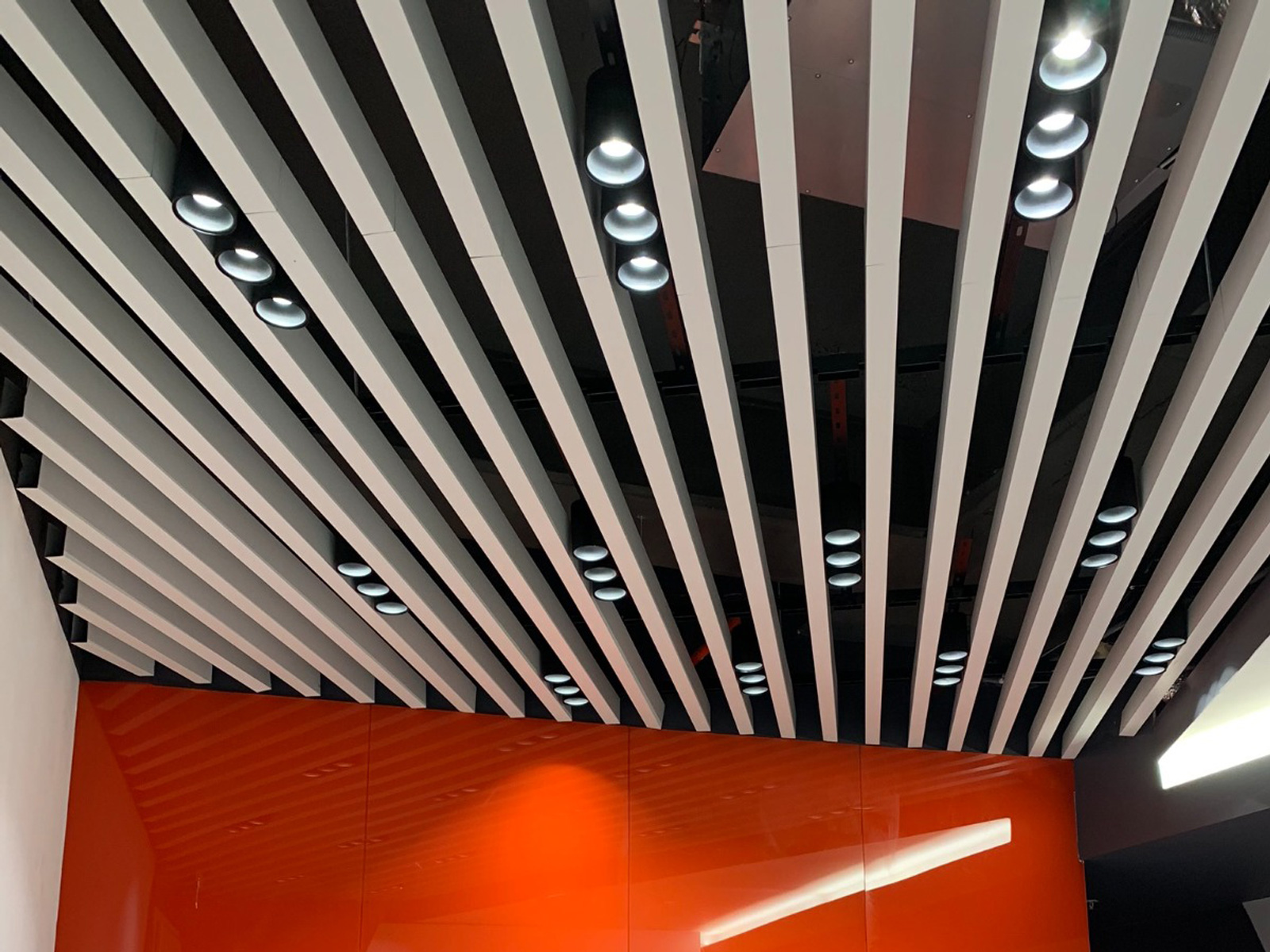 Metal suspended ceilings consist of metal panels—typically aluminum or galvanized steel—hung from the main structural ceiling using a grid framework. This creates a gap, or plenum space, between the structural ceiling and the metal panels, allowing easy integration of building services such as lighting, HVAC systems, fire safety equipment, and electrical wiring. One of the main benefits of this system is the effortless access it offers for maintenance and inspection. Technicians can easily remove and reinstall panels without damaging the ceiling.
Another major advantage of metal suspended ceiling systems is their superior durability. Metal ceiling panels are resistant to moisture, mold, and fire, making them a reliable choice for environments that require hygiene and long-term stability. Compared to traditional gypsum or mineral fiber ceilings, metal ceilings last significantly longer and require minimal maintenance. They are also less prone to sagging or discoloration over time.
In addition to durability, metal suspended ceilings offer outstanding acoustic performance. Many metal ceiling panels are perforated and backed with acoustic insulation materials, which help absorb sound and reduce echo in large spaces. This makes them ideal for noisy environments such as conference halls, airports, schools, and open-plan offices. By controlling sound levels, these ceilings contribute to creating a more comfortable and productive environment.
From a design perspective, metal suspended ceiling systems provide remarkable versatility. They are available in a variety of finishes, including matte, glossy, wood-effect, and custom colors. Architects can choose from different panel types, such as linear panels, clip-in tiles, lay-in tiles, and open-cell grids. This flexibility makes it possible to achieve both minimalist and highly decorative ceiling designs. Metal ceilings are also compatible with integrated lighting solutions, allowing smooth and seamless illumination.
Environmental sustainability is another important factor driving the popularity of metal ceilings. Aluminum and steel panels are recyclable materials, and many manufacturers produce ceiling panels from recycled content. This contributes to green building certifications such as LEED and supports environmentally responsible construction practices.
In conclusion, a metal suspended ceiling system offers a combination of durability, aesthetics, acoustic quality, and sustainability. Whether used in a commercial project or a modern residential interior, metal ceilings provide long-lasting performance and a sleek contemporary look. For architects, designers, and builders seeking a high-quality ceiling solution, metal suspended ceilings remain one of the most reliable options on the market.
