Suspended ceiling features and models have become one of the most preferred architectural solutions for modern residential, commercial, and industrial spaces. Designed to enhance interior aesthetics and improve building performance, these systems offer a combination of functionality, flexibility, and style. In this article, we explore the key features of suspended ceilings and examine the most common models used in various environments.
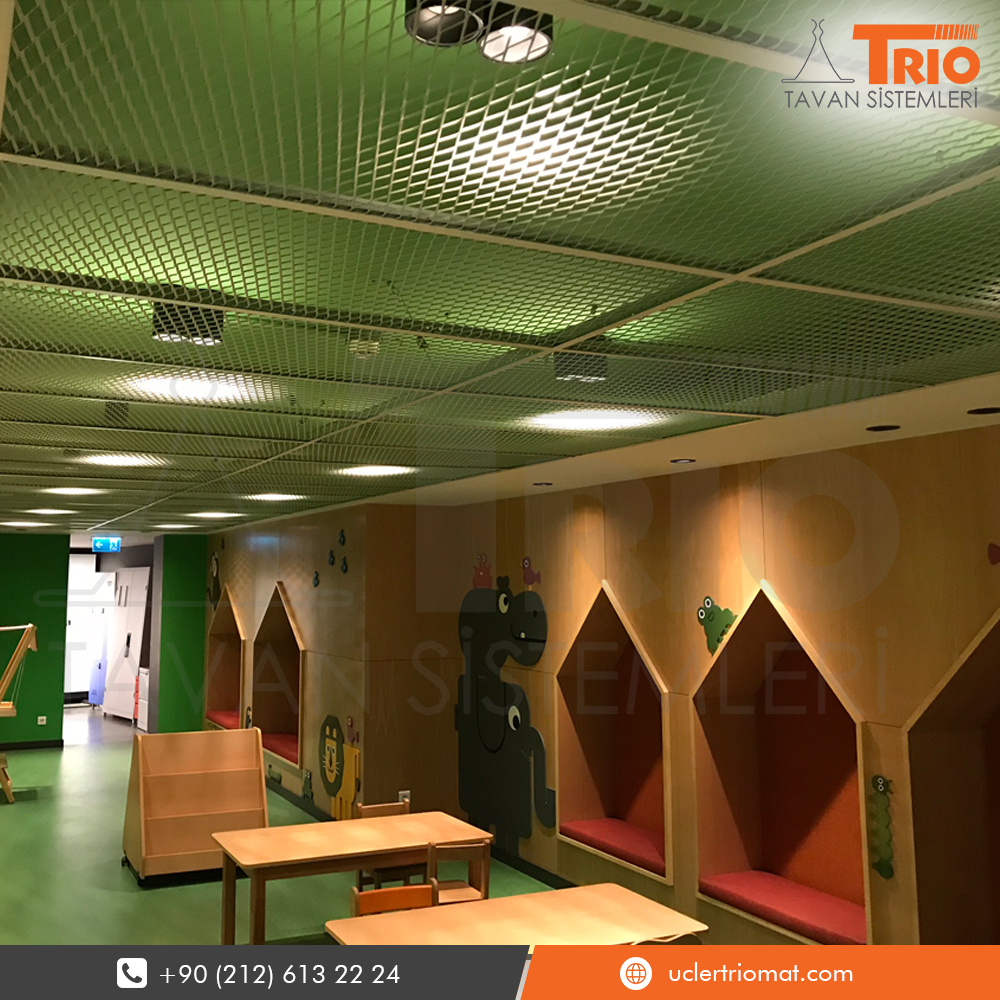 Key Features of Suspended Ceilings
One of the primary advantages of suspended ceilings is their ability to conceal mechanical, electrical, and plumbing installations. This creates a clean and tidy appearance, making them ideal for offices, hospitals, shopping malls, and schools. The plenum space above the ceiling also allows for easy access during maintenance, which reduces both time and cost.
Another important feature is sound insulation. Acoustic ceiling panels significantly improve indoor sound quality by reducing noise levels and echo. This makes suspended ceilings a smart choice for conference rooms, theaters, and open-plan offices.
Suspended ceilings also contribute to energy efficiency. By reducing the volume of space that needs heating or cooling, they help minimize energy consumption. Reflective ceiling panels can further enhance lighting performance, allowing for better illumination using fewer fixtures.
In terms of design, suspended ceilings offer a high level of customization. They come in a wide range of materials, textures, colors, and shapes, enabling architects and designers to create unique visual identities in any environment. Fire resistance and moisture protection are additional benefits, especially in buildings where safety and durability are critical.
Acoustic panels are widely used in areas that require noise control. Made from mineral fiber or fiberglass, they provide excellent sound absorption and are available in various sizes and finishes. These panels are especially popular in corporate offices, classrooms, and recording studios.
Metal ceilings offer strength, longevity, and a contemporary appearance. Aluminum and galvanized steel panels are resistant to moisture and humidity, making them ideal for airports, train stations, and shopping centers. They can be perforated to improve acoustic performance, combining style and practicality.
Gypsum board suspended ceilings are preferred for their smooth finish and design flexibility. Suitable for both homes and commercial interiors, they allow for creative shapes, lighting integration, and custom details. They also provide effective fire resistance, making them a safe option for many environments.
Wooden ceiling systems are chosen for their natural warmth and elegance. They are commonly used in hotels, restaurants, and luxury residences. Wooden panels can be manufactured in different patterns, enhancing the aesthetic value of any space.
Suspended ceiling features and models continue to evolve with innovative materials and design possibilities. Whether for improved acoustics, modern aesthetics, or functional advantages, exploring different suspended ceiling models can help you find the perfect solution for your project.
