A suspended ceiling section is much more than just a visual finish—it is a detailed look into how a secondary ceiling system is constructed, supported, and integrated into a building. In modern architecture and commercial interiors, suspended ceilings are widely used for improved acoustics, cleaner aesthetics, and better access to building services. Understanding the cross-section of a suspended ceiling helps architects, contractors, and building owners appreciate the complexity and benefits of this versatile system.
A ceiling section typically illustrates how each layer of the suspended ceiling system works together. At the top of the structure, ceiling hangers or suspension wires are fixed to the structural slab. These wires form the backbone of the system, providing support and ensuring that the grid remains stable and level. They are usually spaced at regular intervals to meet project load requirements and safety standards.
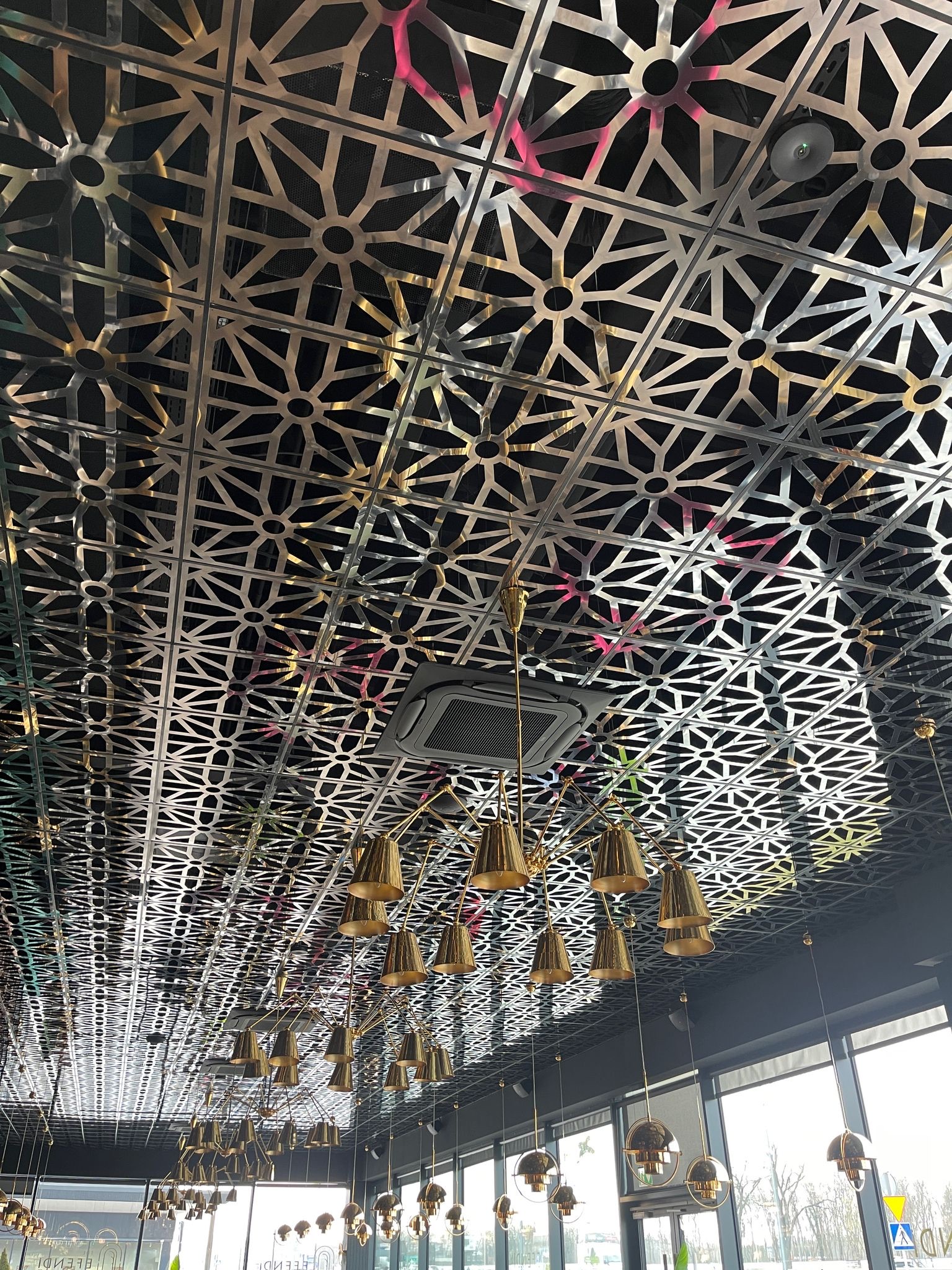 Below the hangers lies the T-bar grid, the main framing system that forms the ceiling layout. This grid is made up of main tees and cross tees, which interlock to create square or rectangular modules. The T-bar grid is essential not only for structural support but also for ensuring proper alignment and placement of ceiling panels, lighting fixtures, HVAC diffusers, and other ceiling-mounted elements.
Within the suspended ceiling section, the acoustic or decorative panels are the most visible components. These panels vary in material, including mineral fiber, metal, gypsum, or PVC. Acoustic ceiling tiles are particularly popular in offices, schools, and conference halls because they absorb sound and reduce noise levels. Metal ceiling panels, on the other hand, offer superior durability, moisture resistance, and a sleek architectural appearance.
Another important part of a suspended ceiling section is the plenum space, the area between the structural slab and the ceiling grid. This hidden zone allows for the routing of electrical cables, fire sprinkler pipes, air-conditioning ducts, and other building utilities. The plenum space simplifies maintenance, as technicians can easily access systems without damaging the finished interior.
Suspended ceiling sections may also include insulation layers to enhance thermal performance or acoustic separation. In many commercial spaces, insulation is placed above the ceiling tiles or attached to the structural slab to meet energy efficiency requirements.
From an installation perspective, understanding the cross-section helps ensure that the ceiling is installed correctly and safely. Proper leveling, accurate hanger spacing, and secure grid assembly are crucial for a long-lasting system.
In conclusion, a suspended ceiling section provides an in-depth look into the engineering and design of modern ceilings. By showing each component—from hangers and T-bars to panels and plenum—it demonstrates how suspended ceilings achieve both functionality and aesthetic value in today’s buildings. Whether used in offices, retail stores, hospitals, or homes, suspended ceilings remain one of the most practical and versatile solutions in interior construction.
