Suspended ceilings, also known as drop ceilings or false ceilings, are a popular architectural feature used in both commercial and residential buildings. They not only enhance the aesthetic appeal of interiors but also improve functionality by concealing ducts, wiring, and pipes. Depending on the purpose, design, and environment, there are several types of suspended ceiling to choose from. Let’s explore the most common ones and their unique benefits.
Gypsum ceilings are among the most widely used types of suspended ceilings due to their versatility and smooth finish. Made from lightweight gypsum boards, they are ideal for creating modern designs with curves, recessed lighting, and layered effects. Gypsum is also known for its fire-resistant properties, making it a safe and practical choice for homes, offices, and public buildings. Additionally, these ceilings can be easily painted or textured to match interior themes.
Metal ceilings are commonly used in commercial spaces, airports, and hospitals because of their durability and easy maintenance. Typically made from aluminum or steel panels, they provide a clean, modern look while offering resistance to moisture and corrosion. Metal suspended ceilings are also excellent for areas that require hygiene and long-term performance. They can be perforated to improve acoustics and allow for integrated lighting systems.
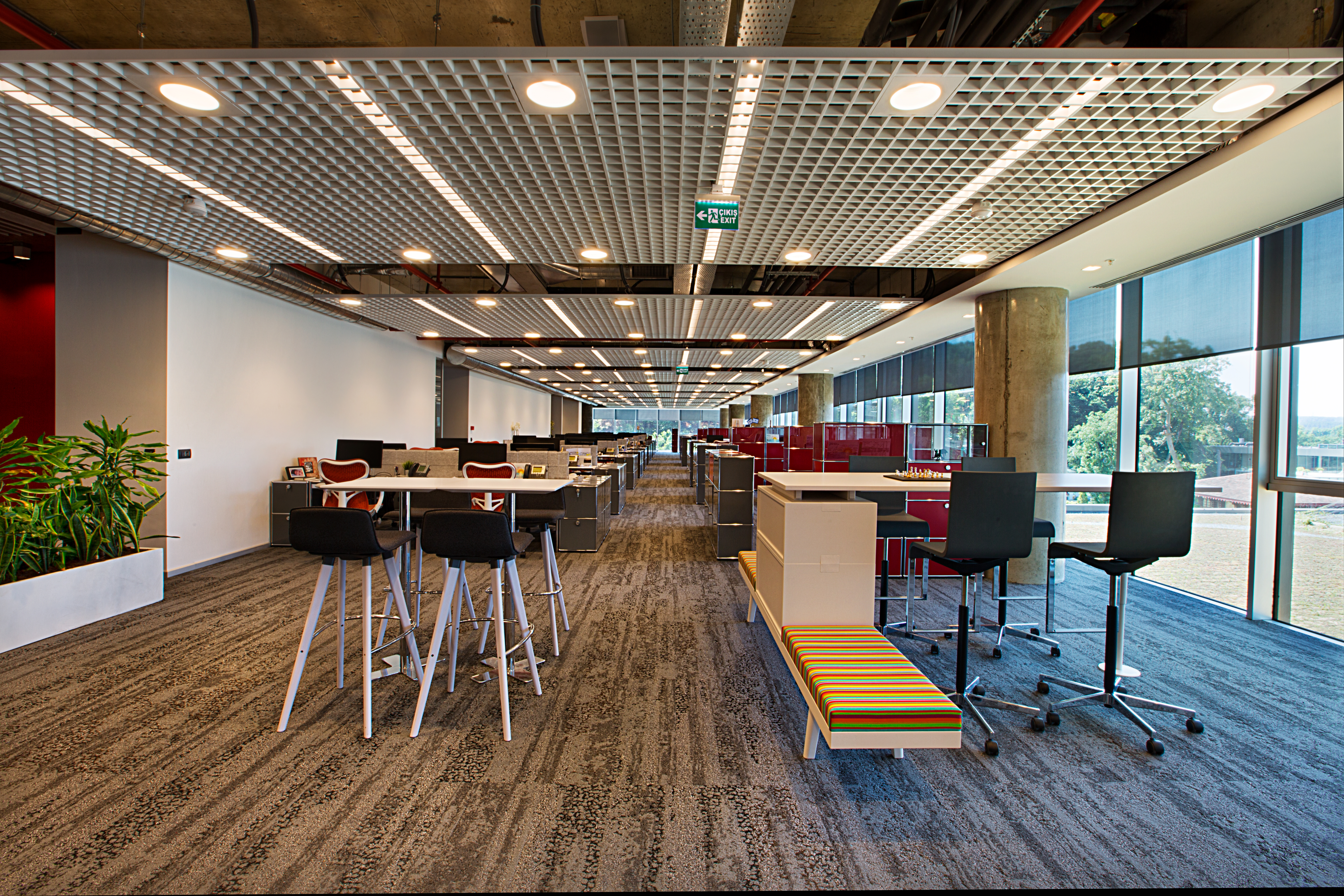 3. Mineral Fiber Ceiling
If acoustic control is a top priority, mineral fiber ceilings are an excellent solution. These ceiling panels are made from a mix of natural and synthetic fibers that absorb sound, reducing noise levels significantly. They are frequently used in offices, classrooms, and conference rooms. Apart from sound insulation, mineral fiber tiles also offer thermal insulation, helping to maintain room temperature efficiently.
Wooden suspended ceilings add warmth and sophistication to interior spaces. They are often preferred in luxury homes, hotels, and executive offices for their natural beauty and timeless appeal. Wooden panels can be customized in various finishes and textures, creating a high-end design aesthetic. However, they require proper maintenance and are best suited for dry environments.
PVC suspended ceilings are gaining popularity due to their affordability and moisture resistance. They are ideal for kitchens, bathrooms, and basements where humidity levels are high. PVC panels are lightweight, easy to install, and available in many colors and patterns, offering an attractive and low-cost ceiling solution.
When selecting a types of suspended ceiling25 consider factors such as aesthetics, acoustic needs, fire resistance, and budget. Whether you prefer the elegance of wood, the strength of metal, or the practicality of gypsum, each type of suspended ceiling brings unique advantages to your space. With the right choice, you can achieve a balance between function and design that perfectly complements your interior.
