What’s the Point of Suspended Ceilings? In modern architecture and interior design, suspended ceilings—also known as drop ceilings or false ceilings—play a much more important role than just covering up pipes and wires. These ceiling systems offer a combination of practicality, style, and functionality that make them a popular choice in offices, schools, hospitals, and commercial buildings.
One of the primary purposes of a suspended ceiling is to create a clean, uniform, and modern look. It hides messy infrastructure such as air conditioning ducts, wiring, and plumbing systems, giving the room a smooth and polished appearance. With various materials, patterns, and finishes available, suspended ceiling tiles can match almost any interior design style—from minimalist to luxurious.
In spaces like offices and classrooms, controlling sound is essential for comfort and productivity. Acoustic ceilings made from mineral fiber or perforated metal panels absorb unwanted noise and reduce echo. This helps maintain a quieter and more focused environment, making suspended ceilings an excellent choice for sound-sensitive areas.
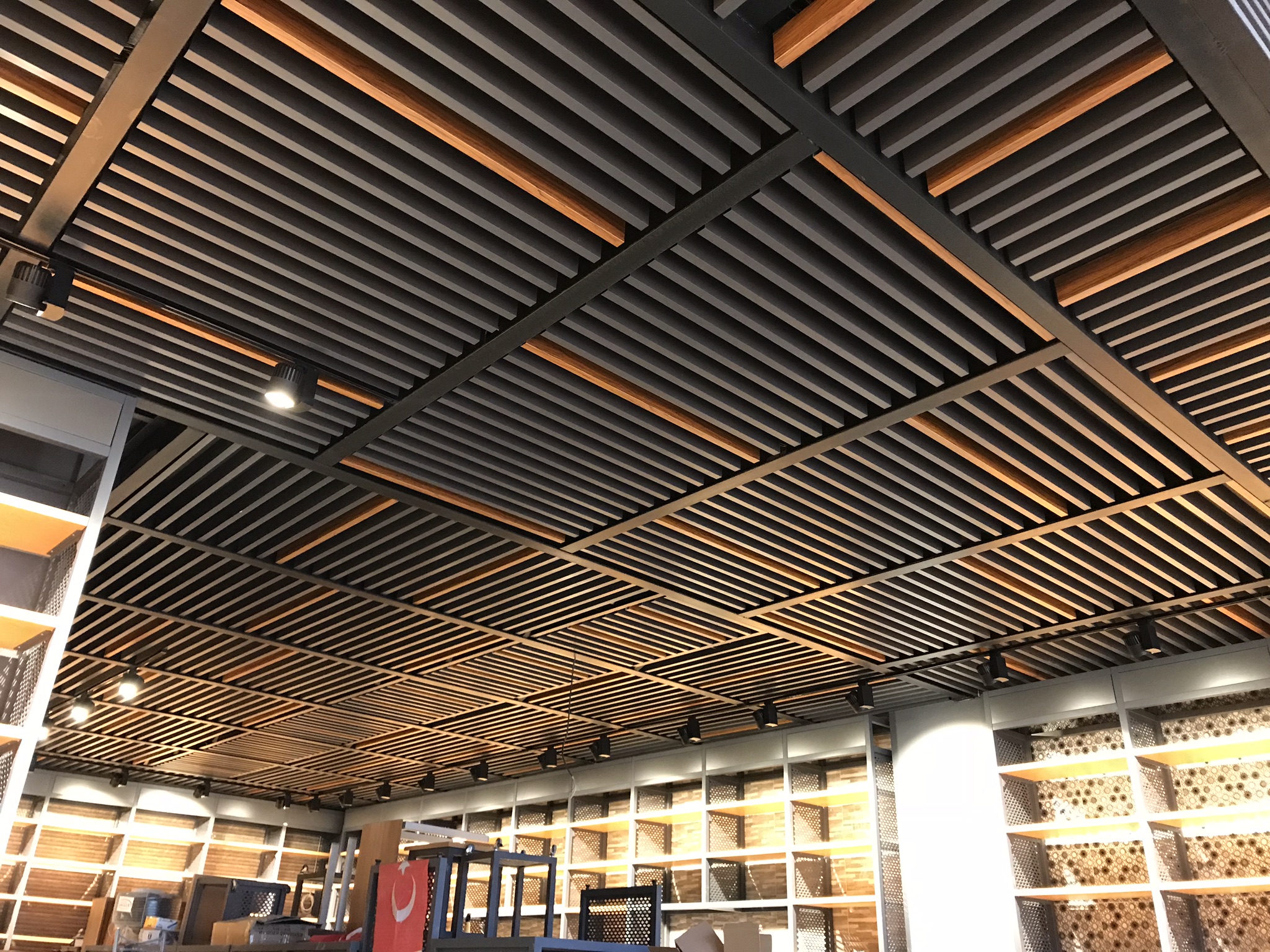
Suspended ceilings can also contribute to better energy performance. By reducing the height of the room, they help minimize the volume of air that needs to be heated or cooled. Many ceiling tiles include thermal insulation properties, which further improve energy efficiency and reduce utility costs.
Another major advantage of a drop ceiling system is easy access to the building’s utilities. Each tile can be removed individually, allowing maintenance teams to repair wiring, plumbing, or HVAC systems without damaging the ceiling structure. This feature saves both time and money during renovations or repairs.
Many suspended ceiling materials are designed to be fire-resistant and moisture-proof, making them suitable for a variety of environments. For example, metal ceiling panels and moisture-resistant tiles are often used in hospitals, laboratories, and kitchens, where hygiene and safety are top priorities.
Modern ceiling systems offer great flexibility in terms of design and application. Whether you need a decorative finish, improved lighting reflection, or specific acoustic control, suspended ceilings can be customized to meet the project’s exact requirements.
The point of a suspended ceiling goes far beyond aesthetics. It’s a smart solution that enhances acoustic comfort, improves energy efficiency, hides unsightly infrastructure, and allows for easy maintenance. In today’s construction and design world, suspended ceilings are not just a trend—they’re an essential element for both functionality and style.
