Suspended ceilings, also known as drop ceilings or false ceilings, have become a highly preferred architectural solution in both residential and commercial spaces. Their popularity continues to rise as builders, designers, and property owners seek practical, aesthetic, and cost-effective ways to enhance interior environments. But what makes a suspended ceiling so advantageous? Below are the key reasons Why Is a Suspended Ceiling Preferred?
One of the most notable benefits of suspended ceilings is their excellent acoustic performance. In environments such as offices, conference rooms, classrooms, and healthcare facilities, controlling sound is essential. Suspended ceiling panels are specifically engineered to absorb noise, reduce echo, and improve overall sound quality. This contributes to a more comfortable and productive atmosphere, especially in open-plan workplaces where noise management is critical.
 Another major reason for their preference is the ease of access to utilities. The space above the suspended ceiling, known as the plenum, provides room for electrical wiring, plumbing systems, HVAC ducts, and fire safety equipment. Instead of constructing complex infrastructure inside solid concrete or plaster ceilings, builders can simply conceal these components above the tiles. When maintenance or repairs are required, technicians can easily lift a panel and access the hidden systems without causing damage. This convenience significantly reduces maintenance time and costs.
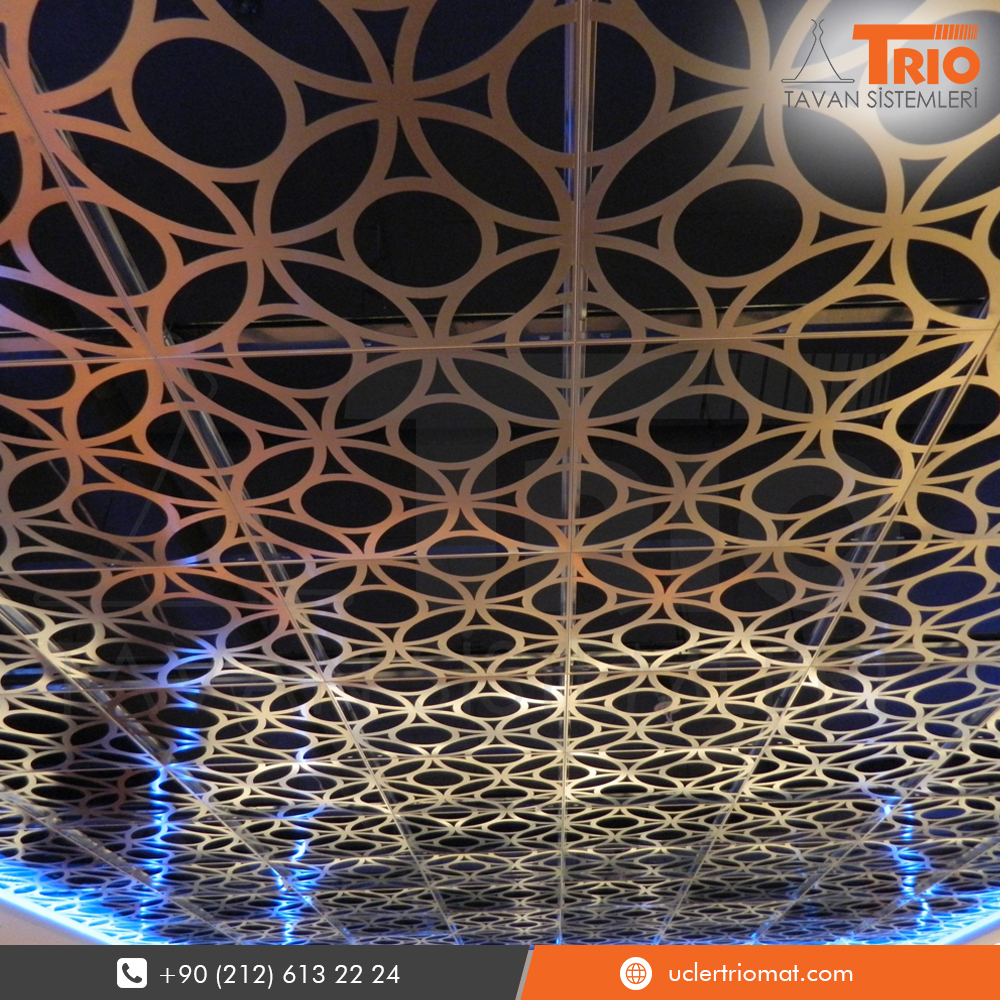
Suspended ceilings also offer significant aesthetic advantages. They allow designers to create clean, uniform finishes while hiding structural imperfections, uneven surfaces, and unattractive mechanical elements. With a wide range of materials, textures, and colors available, suspended ceiling systems can complement almost any décor style—from minimalist modern offices to luxurious hotel interiors. In addition, they can integrate lighting, ventilation diffusers, and sound systems seamlessly, creating a visually harmonious space.
Energy efficiency is another important factor driving the preference for suspended ceilings. By lowering the height of a room, suspended ceilings reduce the volume of space that needs to be heated or cooled. This leads to reduced energy consumption and lower utility bills. Some ceiling tiles also have reflective surfaces that enhance lighting efficiency, helping to distribute light more effectively and reduce the number of fixtures required.
Suspended ceilings additionally contribute to safety and fire protection. Many ceiling tiles are made from fire-resistant materials that slow the spread of flames and provide extra protection in emergency situations. Moisture-resistant and mold-resistant options are available as well, making them ideal for humid environments such as kitchens, basements, and commercial washrooms.
Finally, suspended ceilings are appreciated for their quick installation and flexibility. The modular system allows for fast setup and uncomplicated upgrades. Whether you need to renovate a retail space or modernize an aging office, suspended ceilings provide an efficient and adaptable solution.
Why Is a Suspended Ceiling Preferred?
In conclusion, suspended ceilings are preferred because they deliver a powerful combination of functionality, aesthetics, cost savings, and long-term performance. Their versatility makes them a smart choice for countless applications, ensuring they remain a key feature of contemporary interior design.
